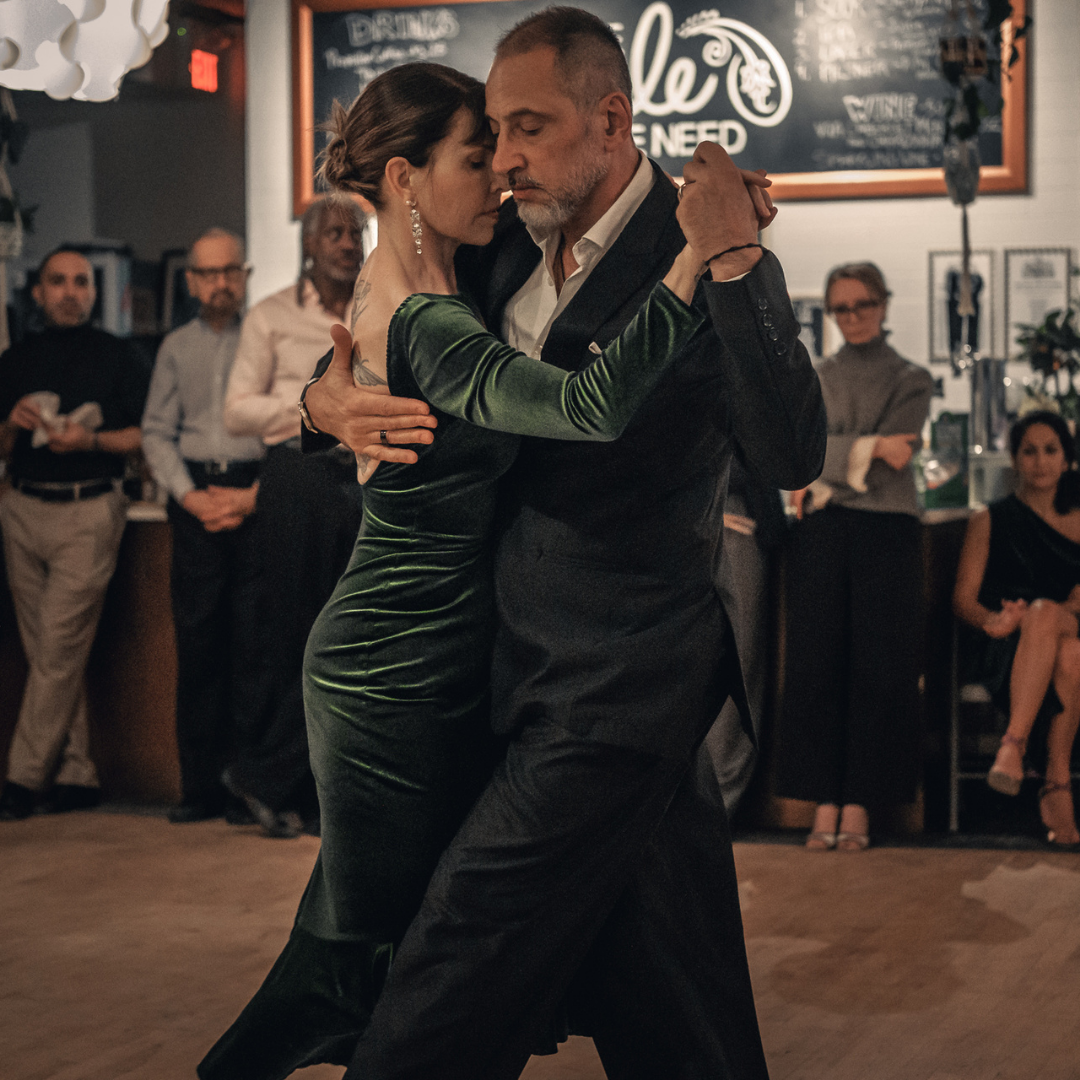
During one of Argentina’s many recessions of rights, those that unfold in the name of freedom, a xenophobic wave struck the world of Tango. It insisted Tango was a thing of Argentines, for Argentines, and in defiance of the national constitution itself, prohibited people of foreign origin with legal residency in the country from participating in local Tango competitions.
Many professional dancers, who had built their livelihoods teaching Tango to foreigners, seized the moment to rally behind the disqualification of those same foreign residents, making no secret of their belief that Tango belonged to Argentines alone. In 2013, we published a piece in The Dance Current, a local magazine expressing our opposing view.
The Argentine Constitution grants equal rights to Argentine citizens and legal residents alike, a reality that a local judge ultimately recognized, striking down the ban on foreign competitors in Tango championships. We personally led that legal action, though others pursued the same course alongside us.
Through that legal fight, we managed to erase distinctions between people based on origin or circumstance. We secured equal participation rights for Argentines and residents, and went further still, winning the right for same-sex couples to dance together, something that had also been forbidden at the time.
We didn’t just win the right to compete. We won the right for same-sex couples to dance together too.
Since then, same-sex couples have appeared in competitions of all kinds across the country, and what followed was a flowering of something long in the making: women leading other women.
Of course, there are still places in Buenos Aires where same-sex social dancing is not permitted, and there are still many people who reject that possibility and who continue to believe that Tango is a thing of Argentines, for Argentines.
But our fight goes on. Today, and for very different reasons, we are offering this class to teach women the art of leading in Tango. Setting aside those historical struggles, it now responds to something far more practical: women make up the overwhelming majority of those who fill the milongas, the dance classes, and every Tango event.
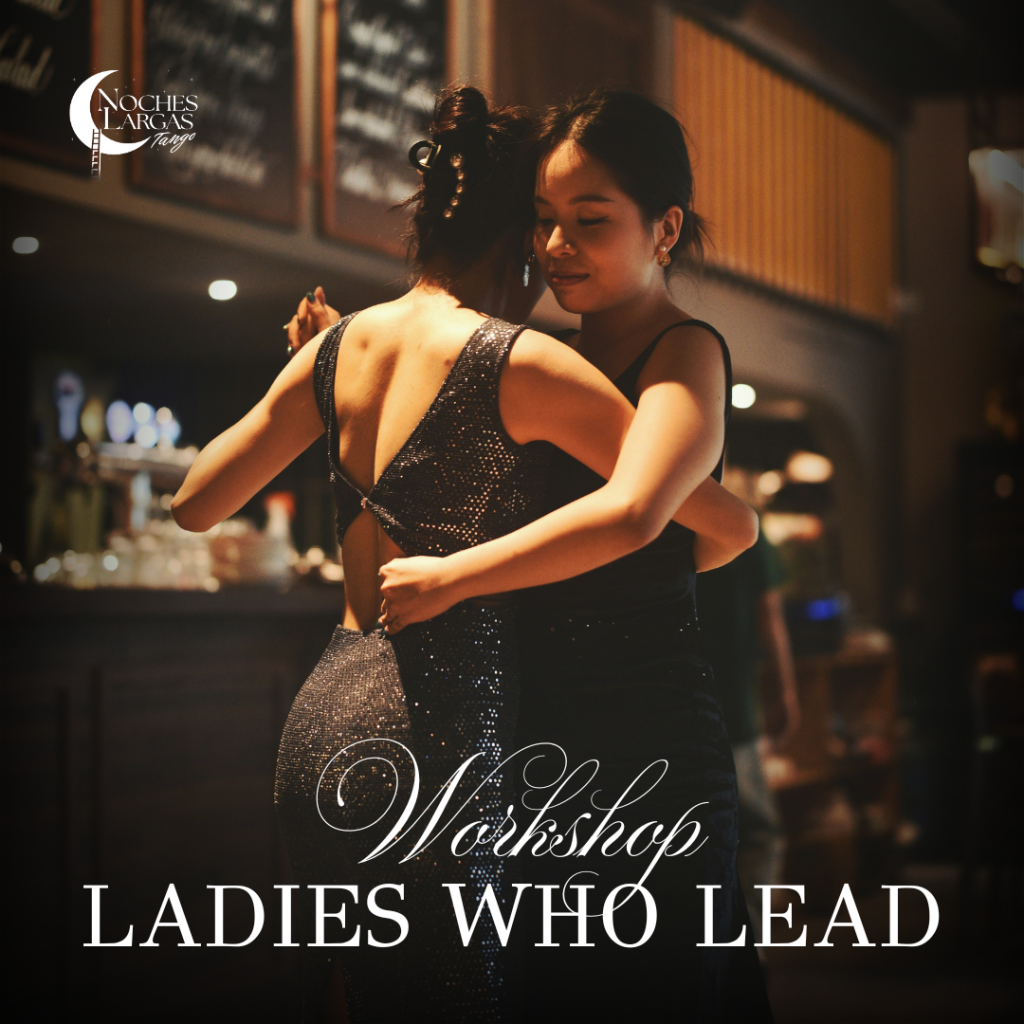
Learning to lead, whether for those who already dance or for those just discovering the tango, opens the door to greater possibility. It makes the experience of dancing richer and more equitable, expanding the chances to dance and raising the quality of the milonga itself.
Learning the other role also helps one understand the partnership as a whole, not from a single side of the relationship, but from both. It offers a deeper understanding of what it means to inhabit and build a partnership from either place in the equation.
Learning the other role helps you understand the partnership as a whole, not from a single side of the relationship, but from both.
In the end, knowing both roles takes us further. It brings us closer to enjoying the experience of dancing tango, more fully, and more freely
Abrazos,
Carlos Y Alison